Complementary Unbound: Features and Visual Style
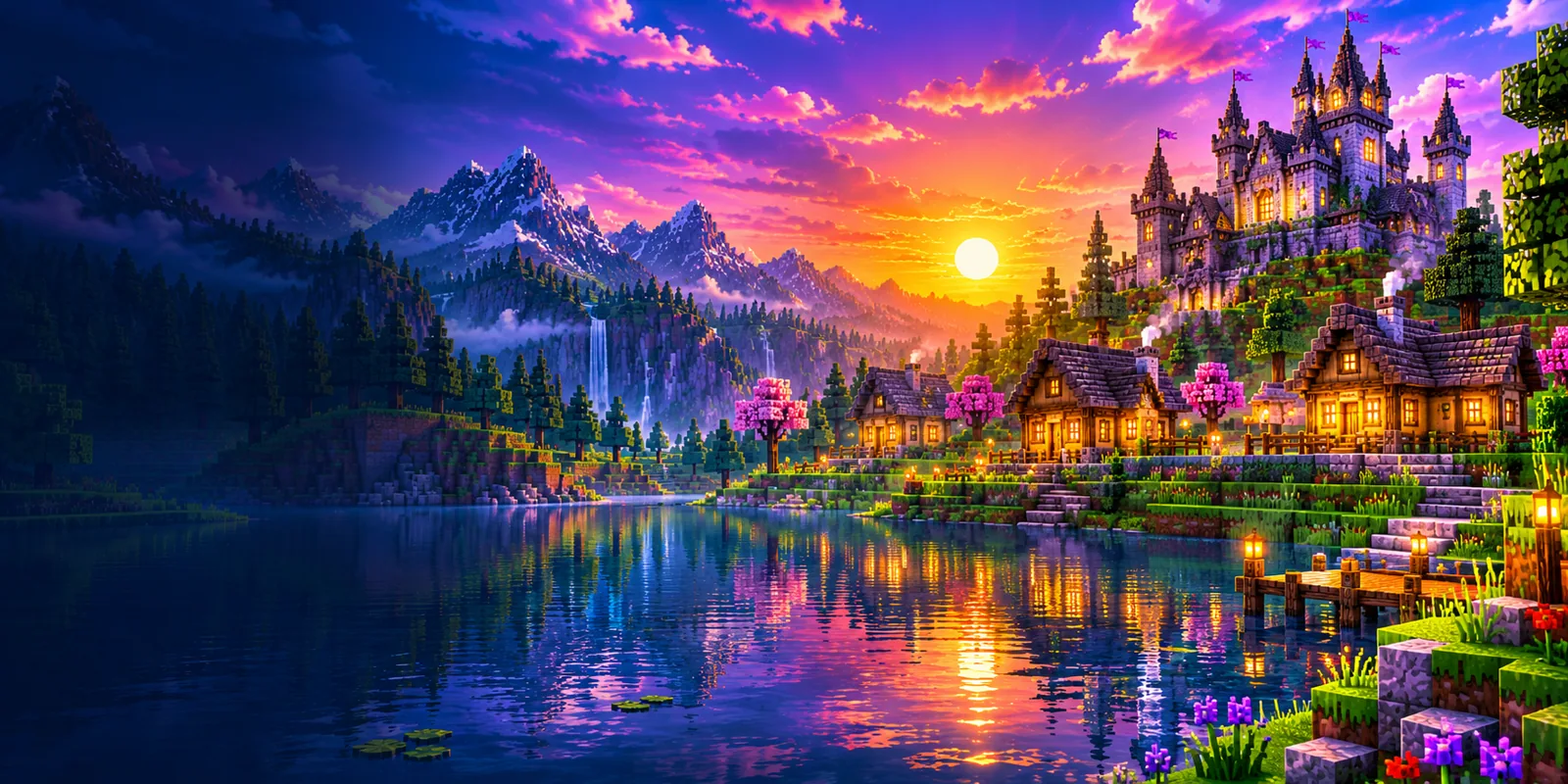
Complementary Unbound is the style players install when they want Minecraft to feel like a place rather than a game board. It is one of the two default styles of Complementary Shaders, described by its developers as designed for people looking for a more realistic experience. This guide explains what Unbound actually changes, its lighting model, atmosphere, water, night, and the kinds of worlds and hardware where it shines.
The design goal
Unbound starts from a question: how far can Minecraft's world be pushed toward believable light without breaking what makes it Minecraft? The pack began as an edit of BSL Shaders, a pack known for cinematic rendering, and Unbound carries that lineage: dramatic but controlled, realistic in its light behaviour rather than in textures or models. Blocks stay blocks; it is the light moving across them that changes.
Lighting: the headline act
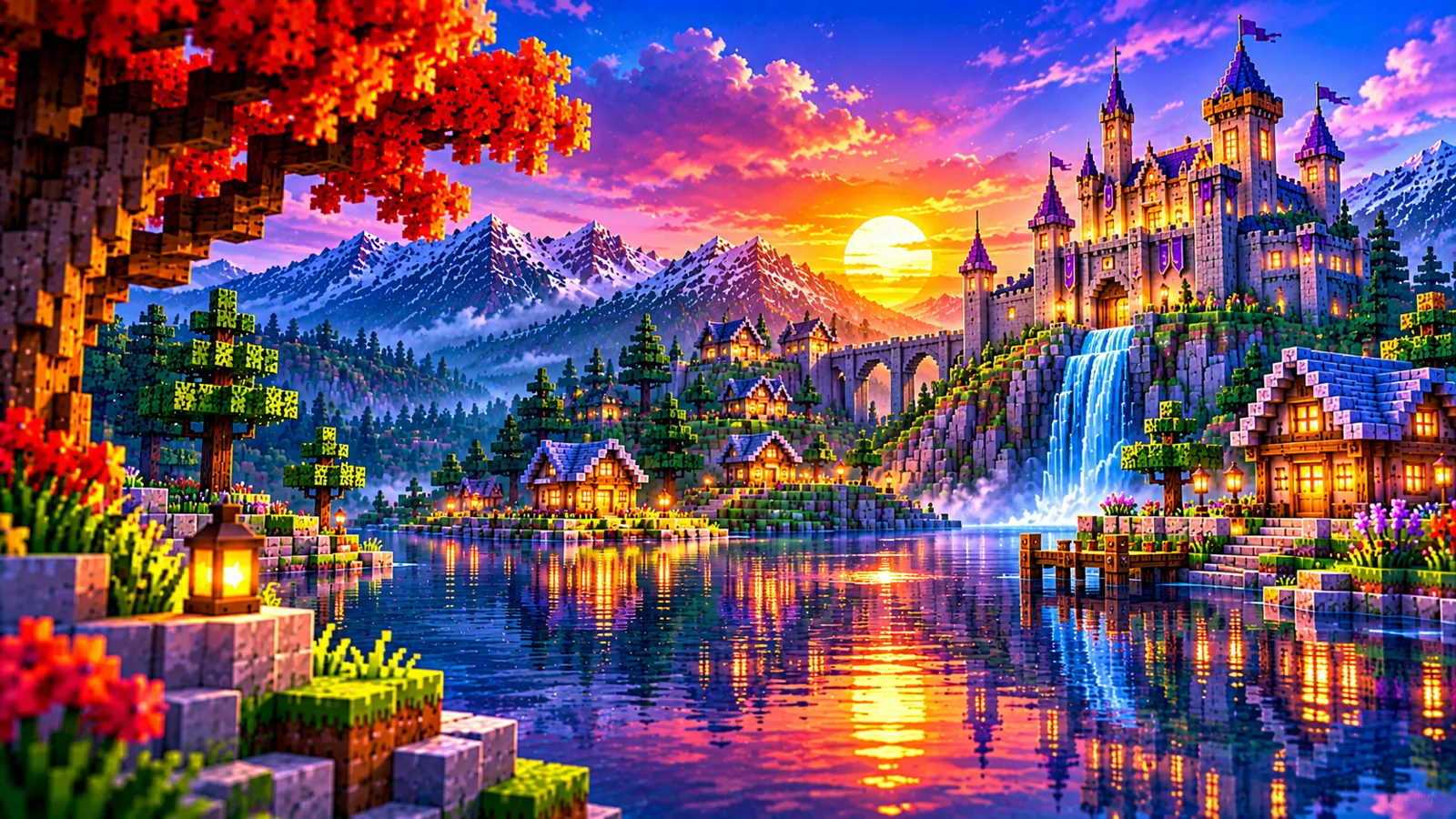
- Sunlight with direction and warmth. Mornings and evenings rake low, warm light across terrain; midday is bright and clean. Golden hour in Unbound is the screenshot moment the pack is famous for.
- Shadows with depth. Shadow mapping gives builds and forests real grounding, structures read as solid objects in a lit space, and caves genuinely darken as you descend.
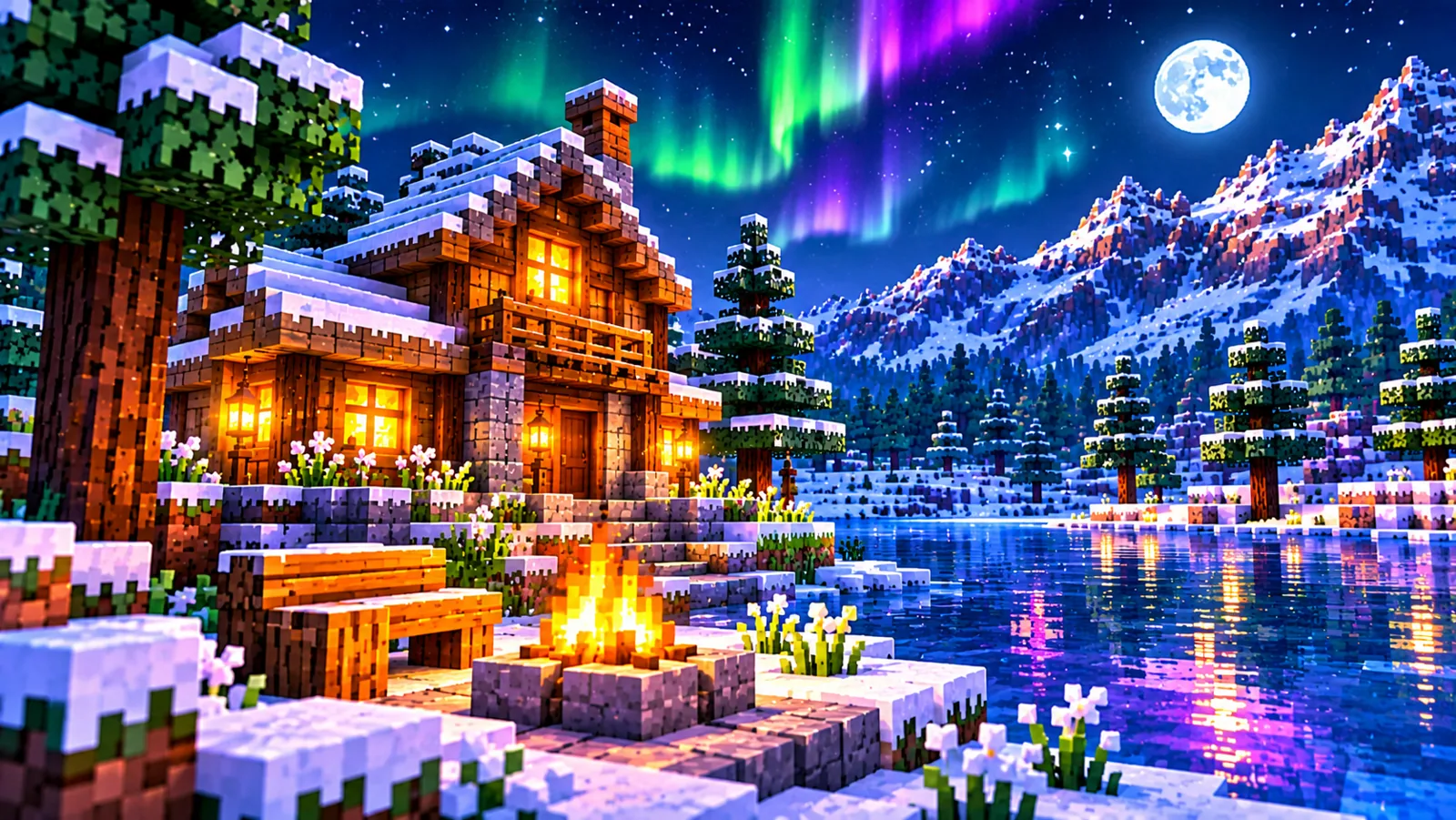
- Artificial light that glows. Torches, lanterns and lava feel like light sources rather than brightness decals, which transforms night bases and underground builds.
The individual controls behind this are covered in lighting and shadow settings.
Sky and atmosphere
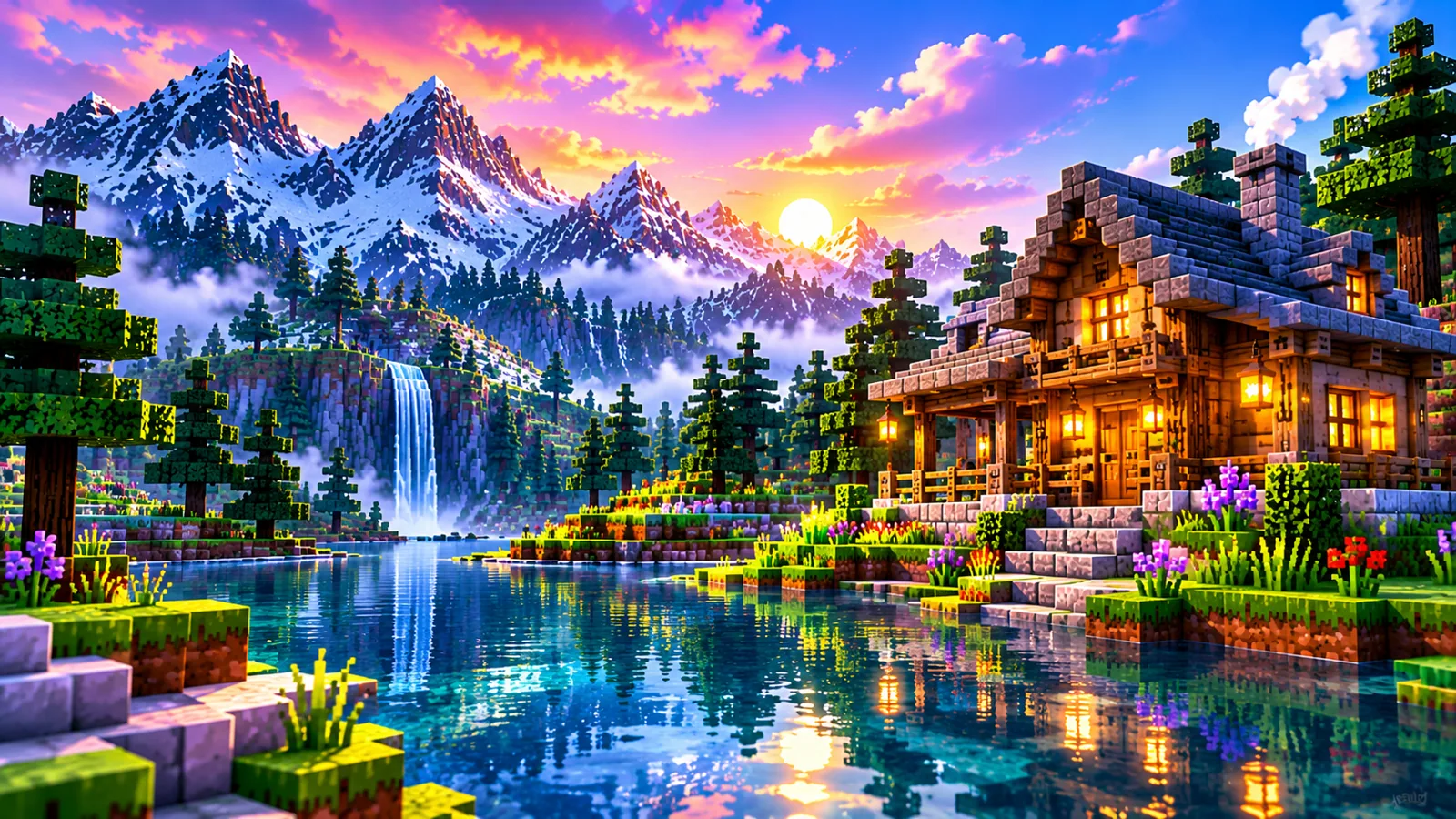
Unbound invests heavily above the horizon: layered, volumetric-feeling clouds; atmospheric haze that gives mountains depth as they recede; sunsets that grade the whole sky rather than tinting a corner of it. Weather feels like weather. This atmosphere is also Unbound's main performance appetite, the clouds, fog and atmosphere settings show how to keep the mood while trimming the cost.
Water
Lakes and oceans in Unbound are reflective and tone-matched to the sky, with a sense of depth and movement that makes shorelines a feature of a build rather than an edge. Rivers catch light; harbours at dusk are a genuine aesthetic experience. Players building coastal, lake or canal worlds notice Unbound here first. Tuning options: water and reflection settings.
Night and underground
Honesty matters here: Unbound's nights are dark. Moonlight is subtle, unlit terrain falls off into real shadow, and exploration after dark demands light discipline, torches, lanterns, a plan. Many players love exactly this; it restores night as a phase of the game rather than a dimmer day. Others find it demanding, and for them the pack's brightness and lighting options exist, or Reimagined's friendlier night is the better fit. Neither reaction is wrong.
Where Unbound looks best
- Mountain, coast and plains terrain with long sight-lines for its atmosphere.
- Medieval, rustic and realistic-style builds that suit dramatic light.
- Survival worlds where mood and immersion are the point.
- Screenshots and video, where its cinematic grading does the work for you.
Performance character
Unbound shares the family profile ladder (Potato to Ultra) and settings system, so it can be tuned for modest hardware, but its signature effects are the atmospheric kind that scale with ambition. A sensible start is a mid profile, then raise atmosphere and shadow quality while watching frame rates in your busiest scene. The performance optimisation guide gives the method; best settings gives a starting configuration.
Unbound across different environments
Unbound's realism is most obvious where light has room to travel. In a desert, low sun and atmospheric depth give dunes and sandstone structures a sense of heat and distance, and a small build, a well, a watchtower, a desert village, gains presence simply from the light around it. In snow, the same directional light creates contrast that flat white terrain badly needs: ridges, roofs and paths read clearly at dawn and dusk, while midday stays bright and clean. Players who build in cold biomes often find that Unbound makes large pale surfaces easier to shape, because shadows do the work of separating one plane from the next.
Dense environments test it differently. In a jungle, light filters through layers of leaves and the ground falls in and out of shadow, which makes exploration feel enclosed and alive, but also makes navigation harder, because landmarks disappear into shade. That trade-off is the essence of the style. In caves and underground bases the effect is stronger still: a single well-placed light source defines a whole room, tunnels feel genuinely deep, and returning to a lit base after a mining trip has a warmth that brighter packs rarely produce. In the game's enclosed dimensions, where there is no sun to rely on, that same behaviour, artificial light as the main event, darkness as a real presence, shapes the whole experience, so bases there benefit from deliberate, generous lighting design.
Ocean and river areas complete the picture. Unbound's water reflects the sky so strongly that the time of day changes the character of a coastline completely: calm and bright at noon, dramatic at sunset, dark and quiet at night. A harbour therefore never looks the same twice, which rewards players who return to the same world over many sessions and want it to keep surprising them.
Building with Unbound in mind
Certain kinds of builds gain more from Unbound than others. Structures designed around views, cliff houses, lighthouses, mountain castles, bridges across valleys, benefit most, because the pack supplies the landscape drama around them. Builds with strong silhouettes and varied rooflines also do well, since directional light and deep shadows emphasise shape. Interiors are a design project in themselves: windows, openings and light sources need to be planned rather than scattered, and a room lit intentionally in Unbound looks considerably better than the same room lit at random.
Highly functional builds ask for more care. A sorting system, a trading hall or a large farm depends on being able to see everything at once, and Unbound's willingness to let corners fall dark can work against that. The usual solution is not to abandon the style but to light functional spaces as deliberately as living spaces, more sources, placed higher and more evenly, and to use the pack's lighting options to lift the darkest areas a little. Because Complementary applies custom effects to almost every block in the game, materials still respond richly to light in Unbound; you are managing brightness and contrast, not giving up detail. Builders who split their world into scenic areas and working areas often light each differently and get the best of the style in both.
The day–night cycle as gameplay
In Unbound, time of day stops being background and becomes a schedule. Morning is for travelling and seeing the world at its clearest, late afternoon is for returning home or finding a vantage point, and night is a distinct phase with its own rules: lit routes, lit work areas, and caution beyond them. Many players find this restores a rhythm that brighter rendering removes, the day has a shape, and planning around it is satisfying rather than restrictive. It also makes light itself a resource worth investing in, so lanterns, paths and beacons become meaningful parts of a world instead of decoration.
This is also where taste divides most sharply. If you regularly play in short evening sessions and want to keep building after sunset without thinking about light, Unbound's night will feel like friction. If you play survival for immersion and want the world to push back a little, that same friction is the point. Trying one full in-game day and night in your own world, not in a flat test area, settles the question quickly, and switching to Reimagined takes seconds if the answer is no.
Frequently asked questions
Is Unbound a separate pack from Complementary Shaders?
It is one of the pack's two styles, a separate ZIP file and download, released together with Reimagined under the same version number. Download it via the Unbound download guide.
Can I make Unbound brighter at night?
Yes, the lighting and brightness-related options in the pack's settings exist for exactly this. Adjust gradually; small changes preserve the mood while restoring readability.
Does Unbound change blocks or textures?
No. It changes rendering, light, shadow, water, sky. It includes custom effects for how blocks respond to light, but it is not a texture pack and does not alter your world data.